

 See My Latest Article on HelloNation
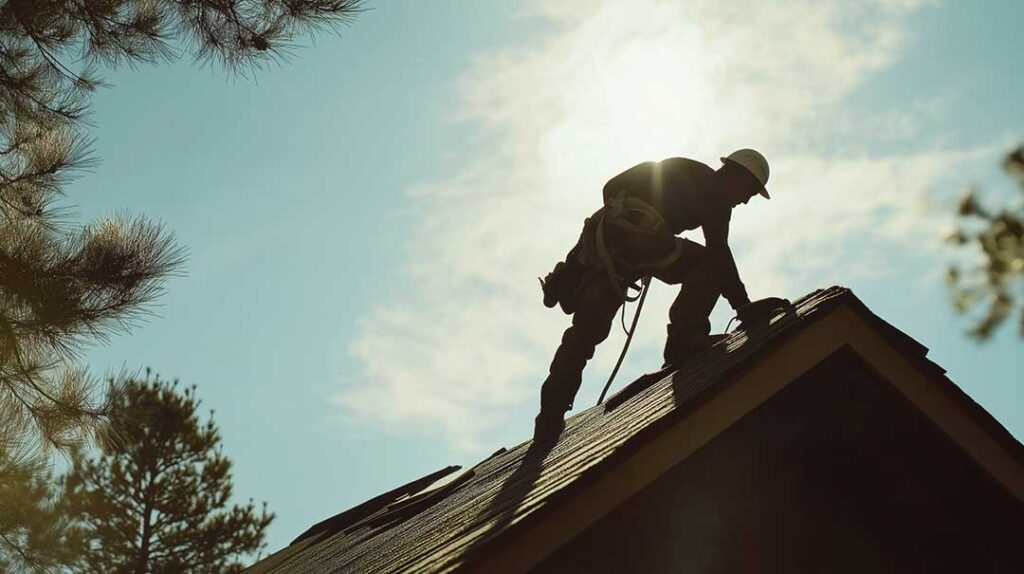
Why Are Roof Inspections Important for Homes in Venice, FL?
Regular roof inspections help identify potential issues early, keeping local homes safe and dry. Venice experiences heavy rains, humidity, and salty air—conditions that can accelerate roof wear and cause hidden problems if left unchecked.
Homeowners in the area benefit from routine checks to avoid leaks, extend roof life, and prevent expensive repairs down the line. Even newer roofs can develop minor issues, while older homes may hide more advanced wear beneath shingles or tiles.
How Often Should a Roof Be Inspected in This Area?
In the Venice climate, it’s generally best to inspect a roof at least once a year and after especially strong storms.
Venice’s rainy summer season and risk of tropical storms mean local roofs are put to the test more often than in other regions. Inspections after intense weather events help catch storm damage early.
- Annual routine inspections are suitable for most homes
- After major wind or hail storms, a prompt visual survey can uncover fresh damage
- Older roofs, or those in shaded, damp spots, may need more frequent checks due to algae and debris buildup
What Does a Typical Roof Inspection Include?
A comprehensive inspection involves a careful, methodical review of the roof’s surface, structure, and critical connections.
Here’s what a thorough check commonly covers:
- Shingles or tiles: Looking for cracks, curling, missing sections, or signs of rapid wear
- Roof flashing: Checking metal or waterproofing around chimneys, vents, valleys, and skylights for gaps or rust
- Gutters and downspouts: Ensuring nothing is clogged or pulling away from the roofline
- Attic or underside: Spotting water stains, damp insulation, or visible daylight peeking through boards
- Fasteners and sealants: Inspecting for loosened nails or deteriorated caulk
- Signs of moss, mold, or algae: Especially in damp or shaded parts of the roof
If any area can’t be safely accessed, using binoculars from the ground or inspecting from a secure ladder can help reveal issues without unnecessary risk.
What Are the Most Common Roof Problems in the Community?
Local roofs face a mix of sun, salt, wind, and humidity that can speed deterioration.
Some widespread concerns in Venice include:
- Granule loss from shingles due to strong UV exposure
- Salt-driven corrosion on metal flashing and fasteners, especially near the coastline
- Broken or slipped tiles after high winds or heavy rain
- Blocked gutters from fallen leaves, palm fronds, or Spanish moss
- Early aging of waterproofing seals in hot, humid weather
- Algae growth in shaded or north-facing spots
Occasionally, animals such as squirrels or birds may dislodge roofing materials or create small entry holes, which are easier to patch if caught early.
Can Homeowners Do Their Own Inspection?
Many homeowners can perform a basic visual inspection safely from the ground or with a sturdy ladder.
Here are easy steps residents can take themselves:
- Walk around the house and look for visible damage or debris on the roof
- Check for missing, broken, or out-of-place shingles or tiles
- Inspect gutters and downspouts for blockages, cracks, or gaps at the connection to the roof
- Look in the attic for moisture, soft spots in the wood, or unexplained stains
Areas that are steep, slippery, or high off the ground are always unsafe for untrained individuals. If there is any uncertainty, or if the roof is very steep or tall, it’s safer to assess from the ground.
What Are Signs a Roof May Have a Hidden Problem?
Some indicators suggest a roof issue, even when damage isn’t immediately visible from the outside.
Residents should watch for:
- Water stains on ceilings, especially after storms
- Musty smells or ongoing dampness in the attic
- A sudden spike in energy bills (which could mean insufficient attic ventilation due to roof leaks)
- Rusty or blocked vents on the roofline
- Asphalt granules in the gutters or at downspout exits
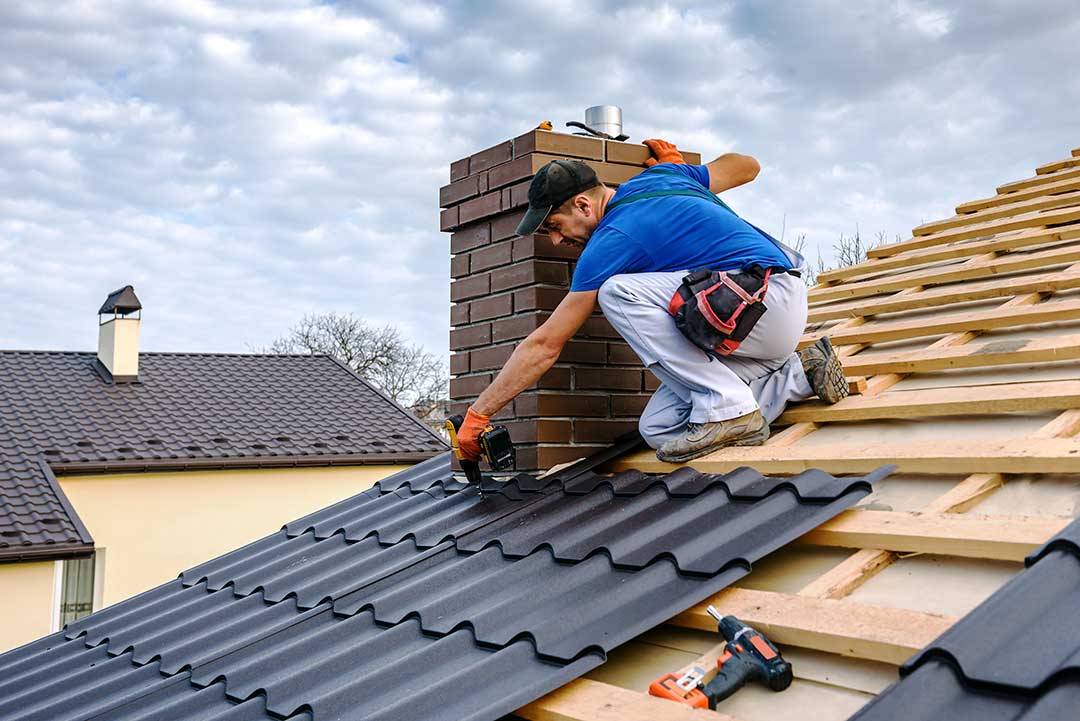
Ignoring subtle changes can allow minor leaks to grow into major headaches, so it’s wise to investigate unexplained signs promptly.
What Homeowners Often Overlook
While obvious problems tend to get attention, smaller or less visible issues can go unnoticed until they cause bigger damage.
Some frequently missed trouble spots:
- The edges of the roof along eaves and rakes, where wind-driven rain sneaks under shingles or tiles
- Skylight and vent flashings, known for leaking if not tightly sealed
- Valleys and intersecting rooflines, which collect water and can develop weak spots
- Early growth of moss or algae, which traps moisture and leads to rapid material breakdown
Regular, conscious observation—especially after storms or heavy winds—helps catch these concerns before they worsen.
When Should Professional Help Be Sought?
If an inspection reveals widespread damage, ongoing leaks, or areas too high or dangerous to reach, it’s prudent to seek help from a licensed professional.
Some examples include:
- Extensive missing or shifted materials after a severe storm
- Sagging roof sections or visible structural movement
- Unusual odors, persistent dripping, or electrical problems near leak points
- Mold spreading in attic spaces
City regulations may also require licensed specialists for structural repairs or major work, ensuring roofing codes are met and home insurance remains valid.
Are There Regulations or Insurance Requirements in Venice?
Venice homeowners need to be mindful of specific regulations that govern roof condition and insurance compliance.
In many cases:
- Home insurance carriers require proof of roof condition, especially for homes over a certain age
- Changing building codes mean older repairs or materials may need updates after an inspection
- Certain modifications, such as adding hurricane straps, may be required based on inspection results
It’s helpful for residents to keep records of all inspections, maintenance, and related photos to simplify any insurance claims or permit processes.