

 See My Latest Article on HelloNation
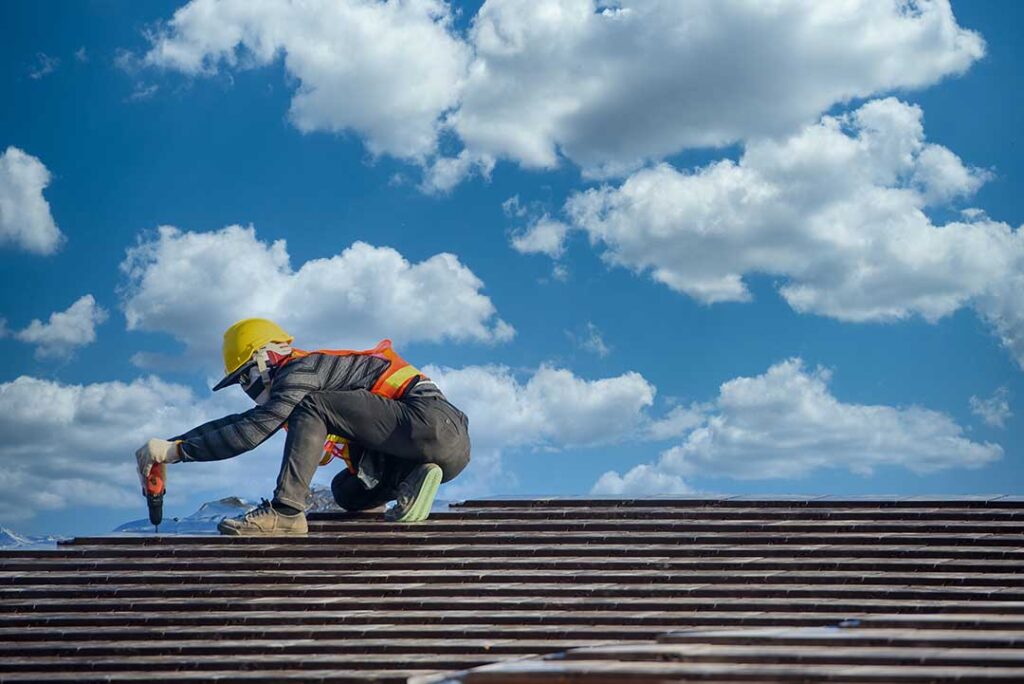
What Typically Causes Roof Leaks for Homes in Venice, FL?
Roof leaks often result from a combination of local weather patterns, aging materials, and common roofing vulnerabilities. In Venice, FL, rainstorms, salt air, and heat take a toll on roofs in distinct ways compared to other regions. Understanding the most frequent sources of leaks helps area residents take preventive action and respond quickly if water appears indoors.
Are Damaged or Missing Shingles a Common Problem After Storms?
Yes, damaged or missing shingles are a leading cause of leaks, especially after wind events or heavy rain. The sunny, coastal climate in Venice frequently exposes asphalt, tile, and metal shingles to UV rays, salt spray, and gusty storms.
- Shingles can crack, curl, or lift, leaving the underlayment exposed.
- After wind-driven rain, even a single missing tile can allow water to seep in.
- Storm debris may puncture or dislodge shingles, creating small openings.
Spotting shingle damage early can sometimes prevent a minor issue from leading to costly interior repairs.
How Do Roof Valleys Contribute to Leaks?
Roof valleys—the lines where two roof surfaces meet—are especially prone to leaks because they channel large amounts of water. If valley flashing is poorly installed, corroded, or becomes clogged with debris, water can work underneath the roofing material.
- In Venice, tree leaves and salt buildup sometimes accelerate valley deterioration.
- Valleys can also crack over time due to thermal expansion or age.
- Water penetration often appears as ceiling stains directly below valley intersections.
Keeping valleys clear of debris and checking for rust or gaps can reduce this risk.
Why Do Flashing Failures Lead to Water Intrusion?
Flashing is the thin metal or rubber material installed around chimneys, vents, skylights, and joints. Its job is to seal joints and prevent leaks at roof penetrations. In the local climate:
- Flashing can corrode faster due to salt-laden air.
- Improperly fastened flashing may shift or lift during wind events.
- Dried-out sealants or cracked caulking around flashing let water in.
Usually, leaks from failed flashing show up as damp spots around fireplaces, attic vents, or near wall connections.
Is Old or Failed Underlayment a Hidden Cause?
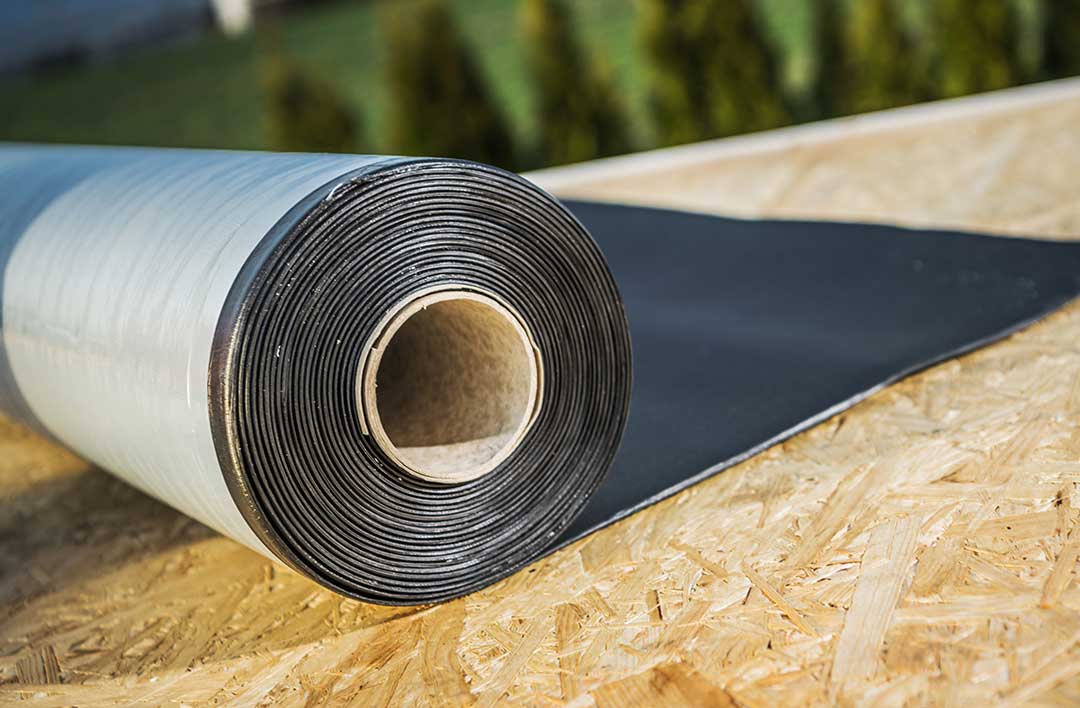
Yes, the waterproof layer beneath shingles (underlayment) isn’t visible from the outside, but it's critical for leak resistance. In older Venice roofs, underlayment can deteriorate after years of heat and humidity.
- Felt and synthetic barriers can break down, especially with repeated exposure to moisture.
- Mold or rot sometimes develops beneath compromised underlayment, causing slow leaks.
- Underlayment problems are often discovered only after water damage becomes obvious indoors.
Do Clogged Gutters Lead to Roof Leaks?
Clogged or improperly sloped gutters routinely cause water to back up under roof edges. In the subtropical Venice climate, frequent summer downpours and abundant leaves can quickly overwhelm gutters and downspouts.
- Overflowing gutters force water to pool at the roofline.
- Over time, this can rot fascia boards, underlayment, and even attic framing.
- Leaks appear at the roof edge, sometimes away from obvious damage sources.
Regular gutter cleaning prevents water from being redirected beneath roofing materials.
Why Is Poor Roof Ventilation Sometimes Overlooked?
Poor ventilation might not directly cause leaks, but it leads to problems that weaken a roof’s ability to shed water. In Venice’s warm, humid environment:
- Improper ventilation traps hot, moist air in the attic, accelerating shingle and underlayment deterioration.
- Condensation can drip from the underside of the roof, mimicking a traditional roof leak.
- Long-term moisture promotes mold, wood rot, and sagging decking.
Residents sometimes mistake ventilation-caused dampness for leaks from exterior damage.
What Impact Does Moss and Algae Growth Have on Leaking?
While moss and algae are less severe in the sandy, sun-drenched environment of Venice compared to shady, wooded regions, they can still lead to roof problems in areas with dense trees or heavy dew.
- Moss holds moisture against roofing materials, promoting faster aging.
- Roots from thick moss mats can lift shingles or tiles, letting water seep below.
- Algae growth is mostly cosmetic, but persistent buildup can degrade some roofing types over time.
Controlling plant growth on the roof preserves material integrity and leak resistance.
Can Skylights and Solar Panels Be Points of Water Entry?
Any roof feature that involves a cut or seal in the roof structure—such as skylights or solar panel mounts—can become a leak source.
- Weak seals, gaskets, or flashing can degrade, especially with UV exposure.
- Pooling water around fixtures increases the chances for seepage.
- Improper installation is a frequent factor in leaks around these features.
Regular inspection of these areas after storms helps catch vulnerabilities before interior damage appears.
What if the Leak Is Nowhere Near the Visible Damage?
Sometimes, water travels along rafters or roof underlayment before dripping down, causing interior stains far from the true entry point. This “traveling water” effect often leads residents to overlook the real source. Checking the slope and pathways in attics can help trace the problem back to its origin.