

 See My Latest Article on HelloNation
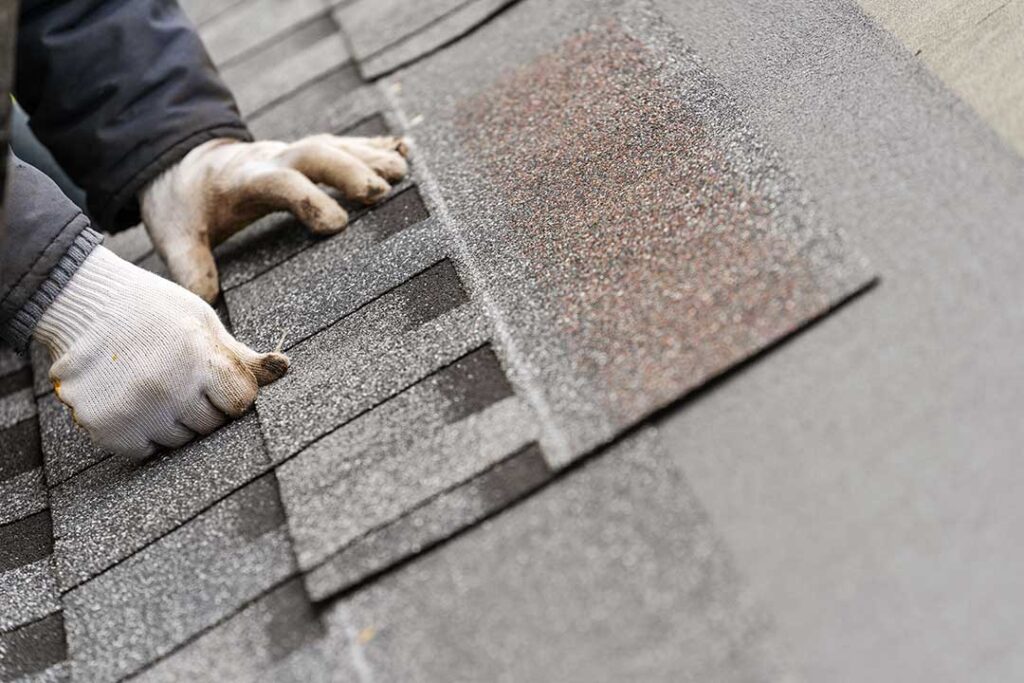
How Does Coastal Weather Affect Roof Longevity?
Roofs in Venice, FL face unique challenges due to a coastal climate defined by high humidity, frequent storms, and intense sun. These factors work together over time to test every layer of a roof’s materials and structure, sometimes in ways homeowners might not expect.
Most roofs in the area contend with:
- Prolonged sun exposure most months
- Heavy rains, especially during summer storms
- Occasional high winds and hurricane threats
- Salt in the air from proximity to the Gulf
Each weather element has a distinct effect on roofing materials and can impact the lifespan of shingles, tiles, underlayment, and even attic ventilation.
What Are the Main Ways Sun and Heat Wear Down Roofs?
Consistent heat speeds up the aging process for roofing materials, sometimes causing issues before homeowners realize there’s a problem.
Direct sunlight causes roofing surfaces to fade, dry out, and become brittle. On hot days, attic temperatures can soar well above the reading outside, increasing thermal stress. Over years, this can lead to:
- Asphalt shingles curling or cracking
- Tiles becoming more prone to chipping
- Sealants around vents and flashing breaking down
A common misconception is that tile and metal roofs are immune to heat, but all materials degrade given enough sun exposure. Regular inspection for warping, cracking, or loss of granules is essential, especially after long hot stretches in the city.
How Do Storms and Rainfall Create Problems?
Heavy downpours and occasional storms, common in the summer, put Venice roofs to the test. Rain forces water to find the smallest weaknesses or gaps, sometimes quickly leading to leaks.
Stormy weather most often causes trouble in these ways:
- Loosening or removing shingles and tiles
- Forcing water under roof edges where flashing is weak
- Overwhelming gutters, sending water back toward fascia and soffits
After major weather events, homeowners often discover small leaks or water stains in the attic that went unnoticed before. Addressing these early can prevent more costly moisture damage to insulation, wood decking, and interior ceilings.
Is Wind a Serious Threat for Local Roofs?
Strong winds, especially during severe thunderstorms or hurricane season, present one of the greatest challenges in the area. Local building codes require certain wind resistance standards for roofing, but even compliant roofs aren’t invincible.
Wind damage can appear as:
- Shingles, tiles, or panels being lifted or blown off
- Debris (branches, airborne objects) impacting and damaging roof surfaces
- Flashing and edge materials getting dislodged, exposing vulnerable areas
Homeowners may not notice these issues right away. After any high-wind event, it’s wise to check the ground for fallen roofing pieces or look for patches that appear uneven or recently disturbed.
How Does Humidity and Salty Air Influence Roof Condition?
High humidity is part of daily life in the area, and its effects on roofs are both gradual and persistent. Humid conditions can promote mold and algae growth, particularly on north-facing roof slopes or shaded areas.
Salt from ocean breezes may:
- Accelerate corrosion of metal fasteners, vents, and flashing
- Contribute to a gritty film that collects on shingle or tile surfaces
- Reduce the effectiveness of underlayment materials over time
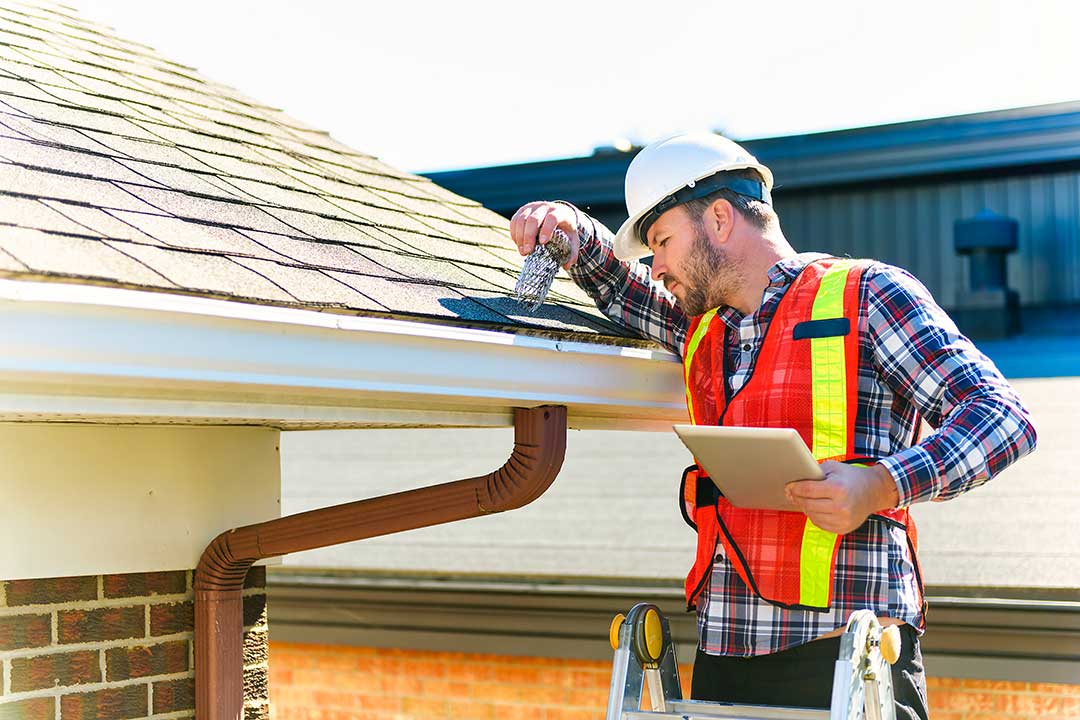
These impacts aren’t typically catastrophic on their own but gradually degrade components and can shorten a roof’s practical lifespan. Simple habits like keeping roof surfaces clear of organic debris help slow this process.
Are There Seasonal Patterns That Affect Roofs More Than Others?
Certain times of year put unique demands on local roofs. The late summer wet season means sustained rainfall and higher humidity, while late spring and early summer bring more intense heat and sun.
It’s helpful for residents to know:
- Most leaks are noticed in the rainy season, both from storm damage and slow-developing issues
- Heat-related wear peaks in the drier months, when UV exposure is most intense
- Mold, mildew, and moss become more widespread after periods of warm, wet weather
Some homeowners assume roofs only need attention after hurricanes, but most weather-related roofing issues start with minor damage or wear no matter the season.
How Can Homeowners Respond to Weather-Related Roof Concerns?
While not all weather impacts can be avoided, being proactive dramatically reduces risk of major repairs. Residents can:
- Check for missing, cracked, or curled shingles several times a year
- Remove leaves, palm fronds, or moss from roof surfaces and gutters
- Watch for water stains or musty smells in the attic, especially during the rainy season
- Make note of rust or corrosion near flashing, attic vents, or metal fasteners
For severe leaks, electrical hazards, or signs of structural damage, safety should always come first—extensive repairs or inspections are best left to professionals in those cases.
What Are Common Misconceptions About Weather and Roof Lifespan?
It’s easy to assume that newer roofs or premium materials are unaffected by Venice’s climate, but all types eventually show signs of wear. Another misconception is that roof problems happen suddenly. More often, routine weathering quietly opens up opportunities for water or wind damage year after year.
Not every storm will cause visible damage, but even small or invisible roof issues can set the stage for problems months later.